
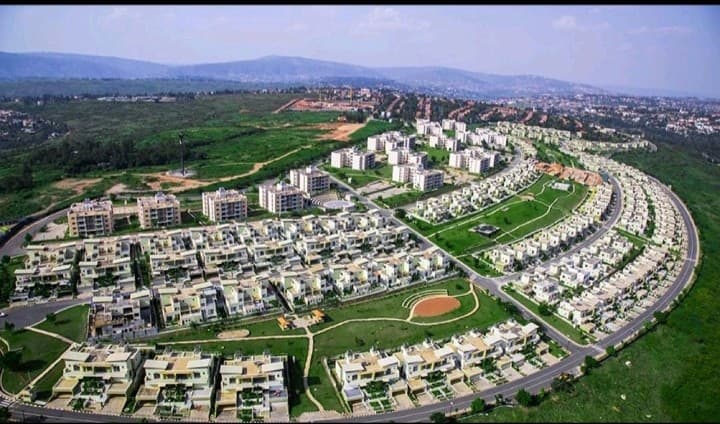
Rwanda Real Estate Market: 2025 Outlook and Trends
The Rwandan real estate market has shown remarkable resilience and growth in 2025, with significant developments across residential, commercial, and mixed-use sectors. As we analyze the current landscape, several key trends are shaping the market's trajectory.
Market Performance Overview
The first three quarters of 2025 have demonstrated strong performance across key metrics:
- Average Property Prices: Residential properties in Kigali have seen an average price increase of 8-10% year-over-year, with premium areas like Nyarutarama and Kacyiru leading the growth.
- Transaction Volume: Property sales have increased by approximately 15% compared to 2023, indicating strong buyer confidence and market liquidity.
- Rental Yields: Average rental yields remain attractive at 6-8% for residential properties, making real estate investment appealing to both local and international investors.
Key Market Drivers
1. Economic Growth and Urbanization
Rwanda's consistent economic growth, averaging 7-8% annually, continues to drive demand for real estate. The country's Vision 2050 strategy emphasizes urban development, with Kigali expected to accommodate a growing population seeking modern housing and commercial spaces.
2. Infrastructure Development
Major infrastructure projects, including the Kigali Innovation City and ongoing road network improvements, are creating new investment corridors. Areas near these developments are experiencing accelerated price appreciation.
3. Foreign Investment
The ease of doing business in Rwanda, combined with attractive investment incentives, has attracted foreign capital into the real estate sector. This has particularly benefited the luxury and commercial segments.
Regional Highlights
Kigali - The Capital Hub
Kigali remains the epicenter of real estate activity, with several neighborhoods showing distinct characteristics:
- Nyarutarama & Kacyiru: Premium residential areas with average prices ranging from RWF 100-150 million for 3-4 bedroom houses. These areas offer high-end amenities and are popular among expatriates and high-net-worth individuals.
- Kicukiro & Gikondo: Emerging as value-for-money options with prices between RWF 40-60 million. These areas are attracting young professionals and first-time buyers.
- Kimisagara & Nyamirambo: Traditional neighborhoods experiencing gentrification, with prices ranging from RWF 35-50 million. Good connectivity and proximity to the city center make these areas attractive.
Secondary Cities
Musanze, Huye, and Rubavu are showing promising growth, with property prices 30-40% lower than Kigali. These cities offer investment opportunities, particularly for tourism-related properties and affordable housing.
Property Type Analysis
Residential Properties
Houses: Detached and semi-detached houses remain the most sought-after property type, with 3-4 bedroom units in prime locations commanding prices of RWF 80-120 million.
Apartments: The apartment market is growing, particularly in Kigali's central areas. Modern apartment complexes offer prices from RWF 45-75 million for 2-3 bedroom units.
Villas: Luxury villas in gated communities represent the premium segment, with prices starting from RWF 150 million.
Commercial Real Estate
Office space demand is increasing, driven by the growing services sector. Prime office locations in Kigali's central business district command rents of RWF 15,000-25,000 per square meter per month.
Retail spaces, particularly in shopping malls and high-traffic areas, show strong demand with yields of 8-10%.
Investment Opportunities
For Buy-to-Let Investors
Properties in well-located areas of Kigali offer rental yields of 6-8%, with strong tenant demand. Areas near universities, hospitals, and business districts provide consistent rental income.
For Capital Appreciation
Emerging neighborhoods in Kigali's periphery and secondary cities offer potential for capital appreciation as infrastructure develops. Areas along planned transport corridors present particular opportunities.
For Commercial Investors
The growing middle class and expanding economy create opportunities in retail and hospitality sectors. Mixed-use developments combining residential and commercial spaces are gaining popularity.
Market Challenges
Despite positive trends, the market faces some challenges:
- Financing: While mortgage availability has improved, interest rates remain relatively high (10-15%), limiting accessibility for some buyers.
- Land Tenure: Understanding land tenure systems and ensuring proper documentation is crucial for investors.
- Construction Costs: Rising construction material costs have impacted new development profitability.
Outlook for 2025
Looking ahead, several factors suggest continued market strength:
1. Population Growth: Rwanda's young and growing population will continue driving housing demand.
2. Government Initiatives: Affordable housing programs and infrastructure investments will support market growth.
3. Regional Integration: EAC integration may attract more regional investors.
4. Technology: PropTech solutions are improving market transparency and transaction efficiency.
Recommendations for Investors
1. Location Matters: Focus on areas with planned infrastructure improvements and good connectivity.
2. Due Diligence: Conduct thorough property inspections and verify all legal documentation.
3. Long-term Perspective: Real estate in Rwanda is best viewed as a long-term investment.
4. Local Partnerships: Working with reputable local agents and developers can mitigate risks.
5. Diversification: Consider a mix of residential and commercial properties to balance risk and return.
Conclusion
The Rwandan real estate market in 2025 presents a dynamic landscape with opportunities across various segments. While challenges exist, the fundamentals remain strong, supported by economic growth, urbanization, and government commitment to development. Investors who understand local dynamics and take a long-term view are well-positioned to benefit from this growing market.
As we move into 2025, staying informed about market trends, regulatory changes, and infrastructure developments will be key to making successful real estate decisions in Rwanda.